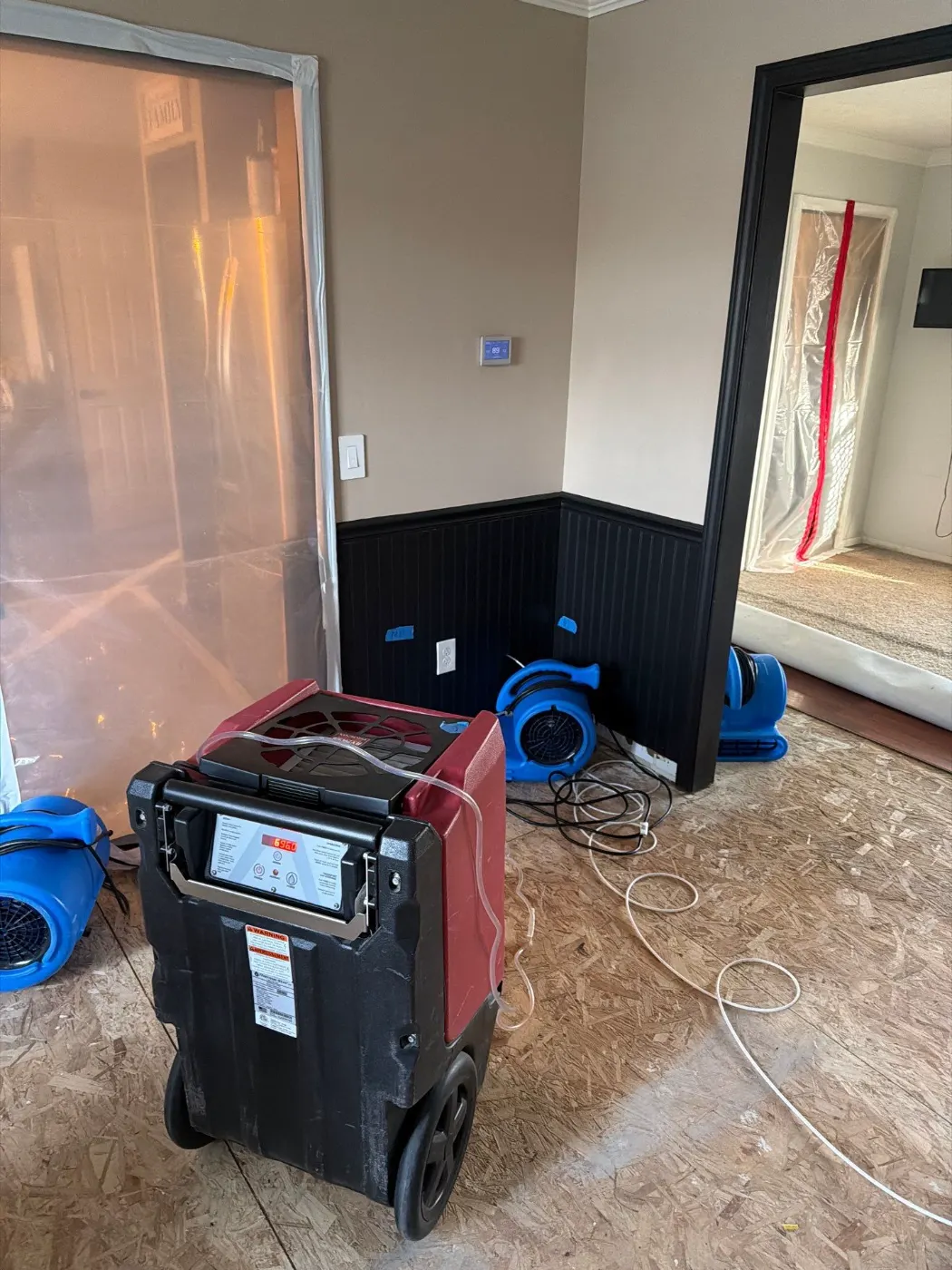
Commercial Flood Damage Cleanup in Gaston, IN
Commercial flood losses in Gaston handled at scale: pumping, extraction, slab drying, content pack out, and the rebuild behind it.
For Commercial Flood Damage Cleanup in Gaston, Gaston Water Restoration brings the equipment, the certifications, and the paperwork: 24/7 response, written scopes, and insurance claim support. Call (812) 515-1567 for dispatch.
- Service: Commercial Flood Damage Cleanup for Gaston homeowners
- Service area: Gaston, IN and surrounding areas
- Response time: Fast local response for Gaston; live dispatch every hour of the year
- Licensed and insured (License #RC21100059)
- Serving Gaston, IN since 2018
Commercial Flood Cleanup in Gaston
When floodwater reaches a commercial building in Gaston, we'll pump it out and dry the structure section by section.
Flood Exposure Here
Some commercial sites in Gaston sit near regulated floodplain. Your building's own flood exposure gets mapped when we walk the site with your facilities contact.
Our flood crews work commercial sites throughout Gaston, including the blocks around Dollar General on Main Street and Mill Street Inn. We also handle commercial flood cleanup in Yorktown, Daleville, Selma and Eaton.
Commercial Flood Damage Cleanup for Gaston Businesses
A flooded building with the air handlers still running will push humid air into parts of the property the water never reached. Gaston Water Restoration coordinates with building engineering on commercial flood losses in Gaston to get the HVAC into a mode that supports drying, and the crew sets dehumidification against the measured cubic volume of the affected space.
Commercial flood cleanup in Gaston follows the IICRC S500, Fifth Edition, with the IICRC S520 applying if mold enters the scope. Gaston Water Restoration plans for the slow parts, like a below grade block wall that keeps releasing moisture for weeks after an open floor has cleared, and builds the equipment schedule around them. The company's water restoration manager is IICRC certified.
Doors and casework get sorted by what they're made of. Solid wood and metal components that read dry after cleaning can often stay in service, while particleboard and laminate cabinets that swelled in the water usually come out. Each piece is photographed before it moves and marked on a floor plan, and the decision goes in the Gaston file.
Emergency service authorization comes first and it's a short document. It covers the pumping, extraction, and stabilization that have to happen before anyone can scope the loss properly, and it's what lets a crew start work at two in the morning. The mitigation and reconstruction scopes follow in writing once the affected area is mapped, and you get every document as it's written.
Carpet, cushion, drywall and insulation that sat in floodwater are headed for the dumpster, and the record of what left is easiest to build while it's happening. Call Gaston Water Restoration before demolition starts, and the crew photographs and logs each area of your Gaston property as the material comes out.
Signs You Need Commercial Flood Damage Cleanup
If you notice any of these in your Gaston building, schedule a free inspection before the issue worsens.
Parking lot storm drains backing up and pushing water toward the entrances
Wet insulation hanging out of a wall cavity after floodwater passed through
Visible water or damp conduit inside an electrical room, or a panel with moisture at the base
An adjuster or lender asking for moisture readings and photographs of the flood damage
Water tracking in from under a loading dock door, leaving a silt line across the slab
Buckled or crowned laminate and engineered flooring in a break room, lobby, or office suite
Rust forming at the base of steel shelving uprights or pallet racking where it meets the slab
Mechanical room under water, with floodwater around the boiler or the air handler
Beads of moisture under plastic sheeting or mats taped to a concrete floor for a day or two
Standing water in an underground parking level with an oily film on the surface
How Gaston Water Restoration Handles Commercial Flood Damage Cleanup
We follow these steps in order on every Gaston job.
Waterline and Condition Photos
Before anything moves, the crew photographs the building as the water left it. Waterline marks get measured at several points in each room, with depths and heights logged beside the photos.
Source and Contamination Check
The crew records where the water came from and what it crossed, and photographs the entry point. Floodwater and sewer backups get containment with HEPA filtered negative air before anything else, and every load of soaked material that leaves gets documented.
Mud and Silt Removal
Mud goes into containers first, starting at the far end of the building and working toward the exit. Wet vacuums and a rinse pass follow, and floor drains get flushed and checked so water can drain freely.
Cleaning the Structure
Concrete and block that stood in floodwater are washed with detergent from the top of the wall down and rinsed out. An antimicrobial treatment follows when the scope includes one, so drying starts on a clean surface.
HVAC Coordination
The crew works with building engineering to set the air handlers where they support drying and keep humid air out of unaffected areas. Ductwork and units that sat in water get flagged for your HVAC contractor to check before the system goes back into service.
Commercial Flood Damage Cleanup in Gaston
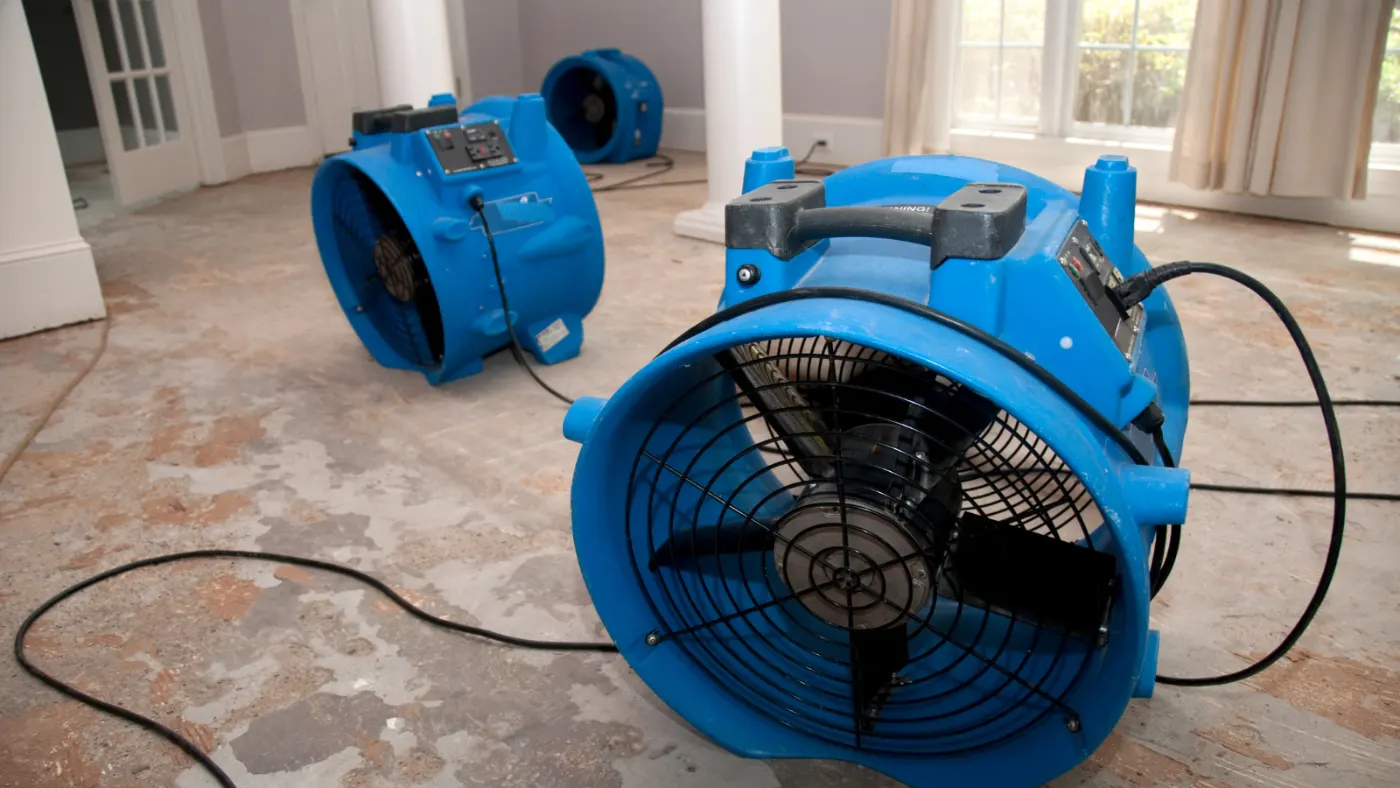
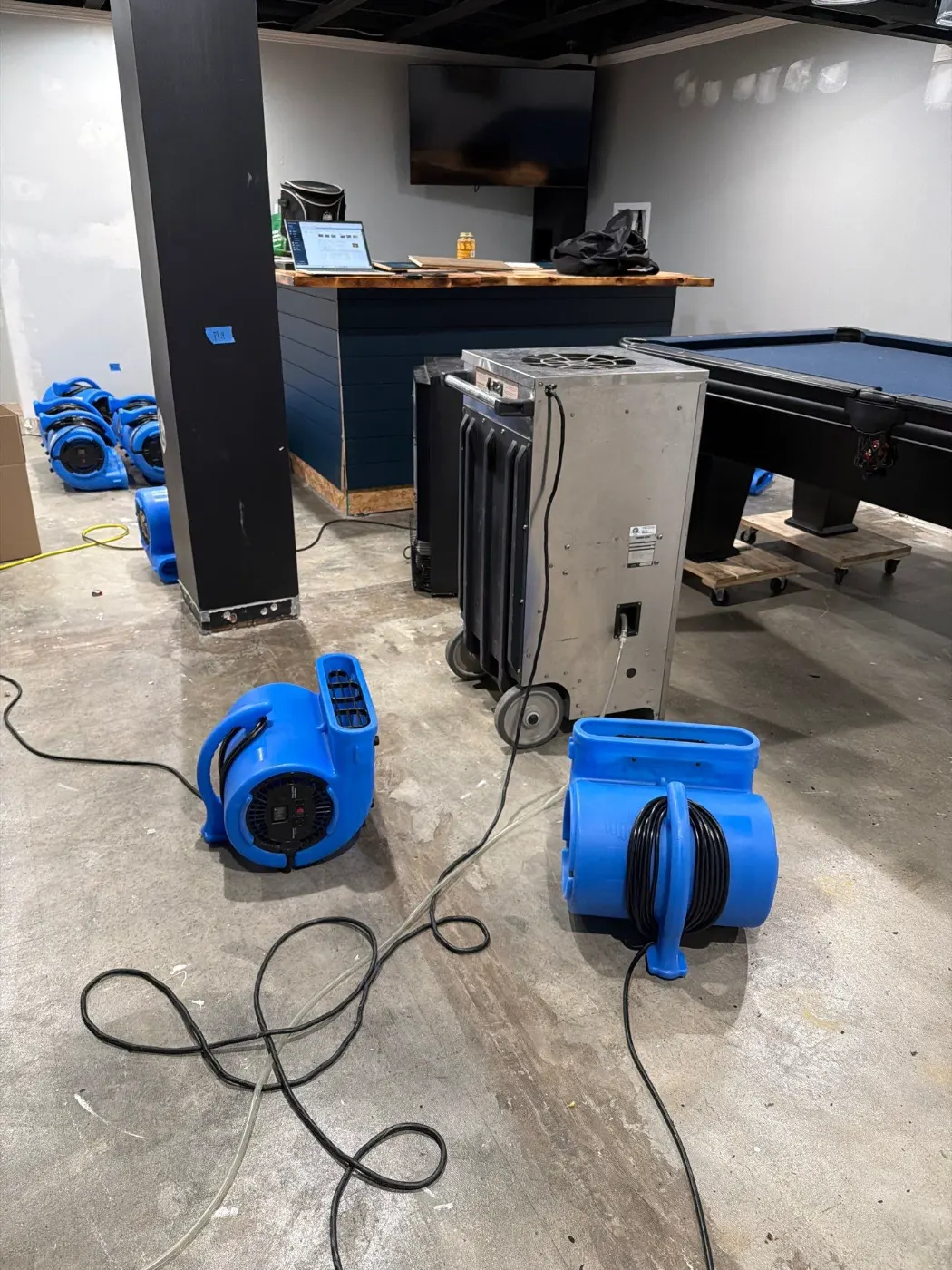
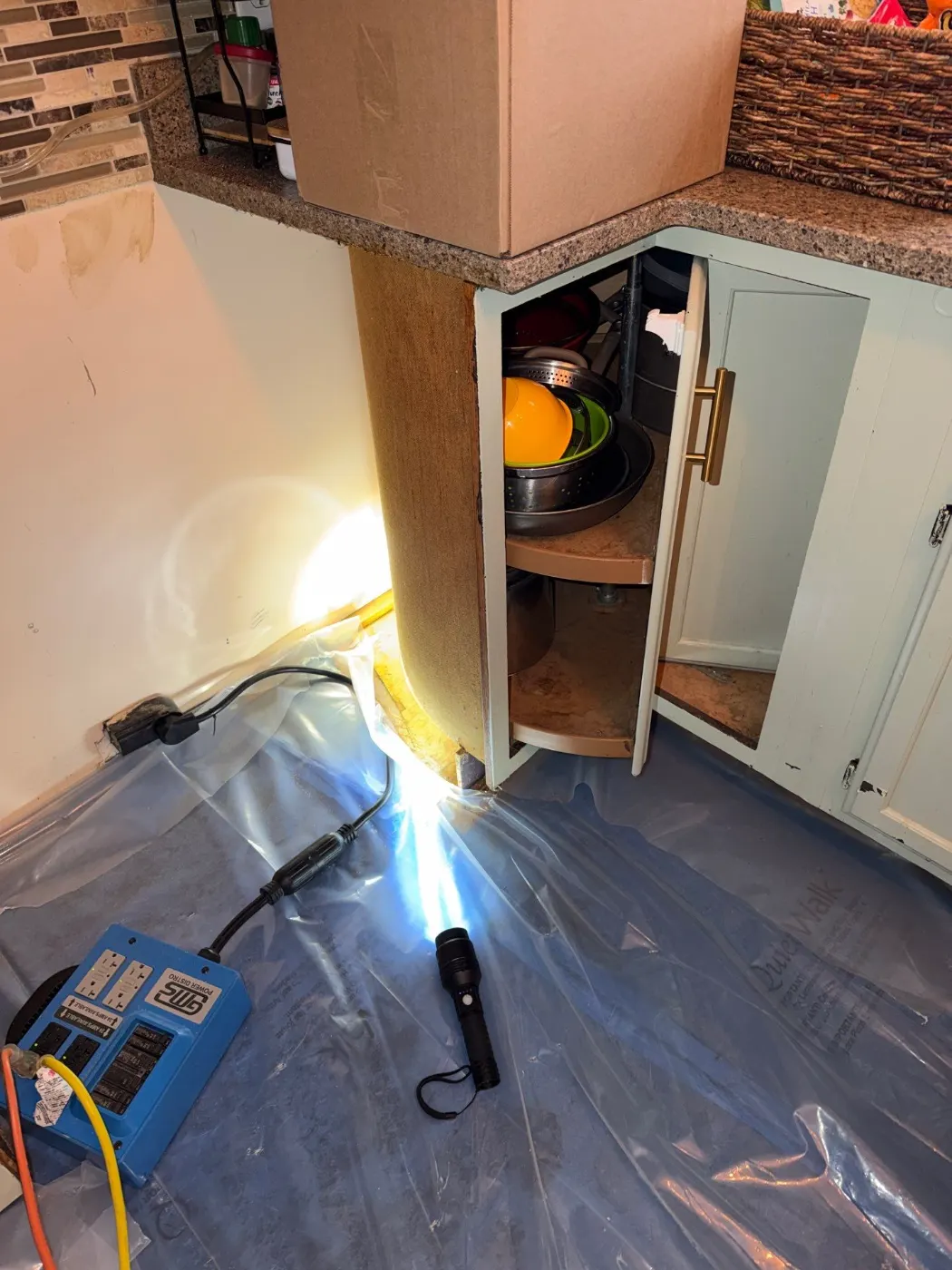
Photographs from real commercial flood damage cleanup jobs completed by our crew in Gaston and surrounding areas.
Commercial Flood Damage Cleanup FAQ
Questions Gaston property managers ask us about commercial flood damage cleanup.
Guidance and Standards for Commercial Flood Damage Cleanup
- The ANSI/IICRC S500 is the published standard for professional water damage restoration. The current edition is the Fifth Edition, 2021. IICRC S500 Standard
- EPA advises drying water damaged areas and items within 24 to 48 hours to prevent mold growth. EPA: A Brief Guide to Mold, Moisture and Your Home
Gaston Neighborhoods We Serve
We take commercial flood damage cleanup calls in every part of Gaston. Pick your neighborhood for local details.
Other Restoration Services in Gaston
Gaston Water Restoration handles the full scope of restoration work. Explore our other services below.
Water Damage Restoration in Gaston
24/7 emergency response. IICRC certified water restoration from extraction to full dry out.
Learn more →Basement Flooding in Gaston
Basement water emergencies handled fast. Extraction, drying, mold prevention.
Learn more →Sewage Cleanup in Gaston
Category 3 biohazard cleanup. Full containment, decontamination, structural restoration.
Learn more →Request Commercial Flood Damage Cleanup
Reach Us Directly
Our team is available 24/7 for emergencies and ready to schedule inspections during business hours.
Need Immediate Help?
For active water or mold emergencies, call us directly. We are available 24/7.